
Showing 17–30 of 30 resultsSorted by popularity
-
 ₹ 9,708
 -
 ₹ 10,608
 -
₹ 6,714
-
₹ 5,399
-
₹ 10,733
-
₹ 1,534
-
₹ 3,894
-
₹ 7,316
-
-
Price range: ₹ 10,018 through ₹ 13,587
-
₹ 8,232
-
₹ 9,239
-
₹ 9,322
-
Price range: ₹ 9,204 through ₹ 13,687

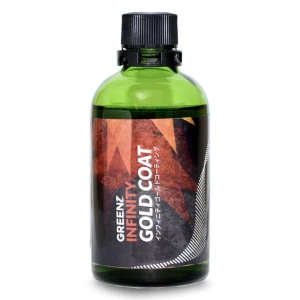
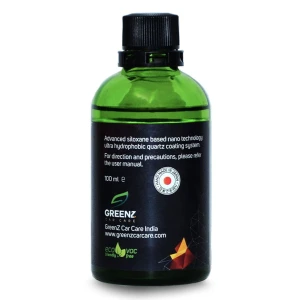
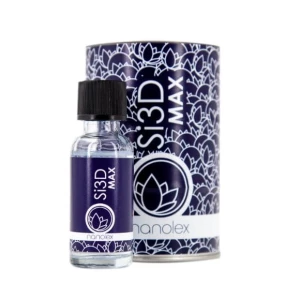
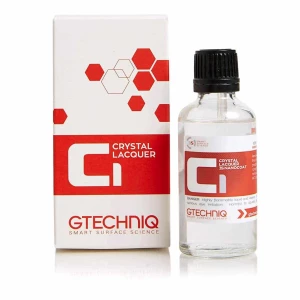
What is Ceramic Coating
Ceramic coating is the latest technology in auto paint protection. Ceramic coatings are also know as nano coating or glass coating or quartz coating or even ceramic polish. The major component of these coatings are SiO2, hence they are also called as SiO2 coatings. Ceramic paint coating creates a protective layer and protect your car paint surface from paint defects such as scratches, swirls, oxidations and other external abuses. Many coatings are having 9H hardness certificate by SGS after their pencil hardness test and commonly called as 9h ceramic coatings.Please read our ceramic car coating article to know more about coatings and its advantages and disadvantages and how it helps to reduce the scratches and other paint defects.
Advantages & Benefits of Ceramic Coating
Ceramic coating advantages are:
- Enhanced Protection: Ceramic coating for car provides a durable layer that shields & protects the paint from UV rays, oxidation, and environmental contaminants like dirt, bird droppings, and tree sap.
- Hydrophobic Properties: Ceramic coatings create a water-repellent surface, causing water to bead and roll off, which helps keep the car cleaner and makes washing easier.
- Improved Gloss and Shine: It enhances the depth and clarity of the paint, giving the car a glossy, polished appearance.
- Scratch and minor Swirl Mark Resistance: While not entirely scratch-proof, ceramic coatings can help reduce the formation of minor scratches and swirl marks.
- Long-lasting Protection: Compared to waxes or sealants, ceramic coatings last longer—often 2-5 years with proper maintenance.
- Easier Maintenance: The slick surface makes washing simpler, reducing the effort and time needed to keep the car looking new.
- Resistant to Chemical Stains: It provides a barrier against staining from acidic contaminants and other harsh chemicals.
Disadvantages of Ceramic Coating
Ceramic coating disadvantages are:
- Ceramic Coating Price is High:Professional ceramic coating can be expensive compared to traditional waxes or sealants. Ceramic coating cost & price for cars can depend on car coating types & durability each ceramic coating offers.
- Application Skill: Proper application requires careful preparation and expertise; improper application can lead to streaks or less effective results, please our ceramic coating application process
- Limited Scratch Resistance: It protects against minor scratches but doesn’t make the surface fully scratch-proof as PPF could do.
- Maintenance Needs: Though easier to clean, the coating still requires regular maintenance and occasional reapplication for optimal performance.
- Potential for Damage: Incorrect cleaning or harsh chemicals can degrade the coating over time.
- Not a Complete Barrier: It doesn’t protect against all types of damage like deep scratches, dents, or stone chips.
Types of Ceramic Coating
Ceramic coating types are:
- Paint Coating offers enhanced protection against UV rays, dirt, and contaminants. It boosts gloss and shine, provides a hydrophobic surface for easy cleaning, and resists scratches and chemical stains.
- Plastic Coating can restores the original appearance of plastic parts, such as bumpers, trims, and mirror housings. The coating offers excellent UV protection, preventing fading, discoloration, and cracking caused by sun exposure and helps maintain the aesthetic appeal of plastic components. Some plastic coatings can be also be used as interior coating for car.
- Windshield Coating improves visibility by repelling water, mud, and dirt. It offers enhanced UV protection, reduces glare, and prevents wiper streaks. The coating also resists cracks and chips, making cleaning easier and extending the lifespan of the windshield, ensuring safer and clearer driving in various weather conditions.
- Leather & Fabric Coating protects against spills, stains, and UV damage, preserving the leather’s appearance and softness. It provides a hydrophobic barrier, making cleaning easier and preventing cracking or fading.
- Rubber Coating boosts the appearance by giving tires a sleek, glossy finish. It provides UV protection, prevents cracking and fading, and makes cleaning easier through water-repellent properties.
- Metal Coating provides enhanced protection for metal surfaces, offering resistance against corrosion, rust, and chemical damage. ceramic coating for metal improves durability and maintains the appearance by adding a tough, glossy layer. The coating also provides heat resistance.
Ceramic Coating for Bikes
As many thinks and claims, there are no special super ceramic coatings for bikes, all ceramic coatings for cars can also be used on bike's paint surface.
FAQ
Is ceramic coating good for a car?
Yes, ceramic coating is beneficial for cars. It provides a durable, protective layer that shields the paint from UV rays, dirt, and minor scratches. This quartz coating enhances gloss, repels water, and reduces the frequency of washes.
How long do ceramic coatings last?
Ceramic coatings typically last between 2 to 5 years, depending on the product quality, application, and maintenance. High-quality professional coatings can extend longevity up to 7 years or more with proper care. Regular maintenance and avoiding harsh chemicals can help maximize the coating's lifespan.
Can ceramic coating be removed?
Yes, ceramic coating can be removed, but it typically requires professional polishing or abrasive methods. It's not easily washed away, so special techniques and products are used to strip the coating without damaging the vehicle's paint. Consider consulting a professional for safe removal.
Is ceramic coating a good investment?
Yes, ceramic coating is a good investment for vehicle owners seeking long-term protection. It offers durable protection against UV rays, dirt, water spots, and minor scratches while enhancing the car’s gloss and appearance. Although initially more expensive than waxing, it reduces maintenance costs and helps preserve the vehicle’s resale value over time.
Can you wax over ceramic coating?
Yes, you can wax over a ceramic coating, but it’s generally unnecessary. Ceramic coatings are designed to provide long-lasting protection and a glossy finish on their own. Applying wax on top can temporarily enhance shine and hydrophobic properties.