
How to Use a Car Polishing Machine Without Damaging Your Paint
Let’s be honest — most car owners have been there. You look at your car under bright sunlight and notice a web of fine swirl marks, dull patches, and micro-scratches that just won’t go away no matter how many times you wash it.
You’ve probably heard that a car polishing machine can fix all of this, but you hesitate. What if you burn the paint? What if you make it worse?
Here’s the truth: when used correctly, a car polishing machine can completely transform your vehicle’s appearance. It removes swirl marks, restores deep gloss, and brings back the showroom shine your car once had. However, using the wrong technique or the wrong tool can create new damage.
That’s exactly why this guide exists.
In this beginner-friendly guide, you’ll learn:
- How a car polishing machine actually works
- The safest step-by-step way to polish your car
- Common mistakes beginners make and how to avoid them
- The best type of machine for beginners
By the end, you’ll be ready to polish your car confidently — without risking paint damage.
What Is a Car Polishing Machine?
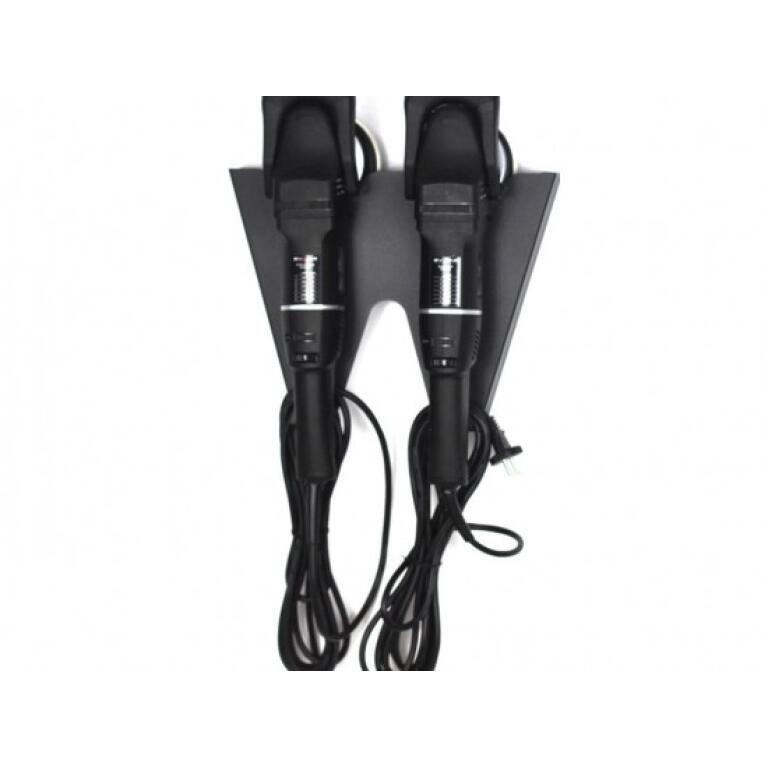
A car polishing machine is a power tool designed to remove surface imperfections from a vehicle’s paint. Think of it as a high-precision tool that smooths the clear coat — the transparent layer that sits on top of your car’s paint.
The machine works by rotating or oscillating a polishing pad that spreads compound or polish evenly across the paint surface. This process gently levels the clear coat, removing imperfections and restoring gloss.
Common Paint Defects a Polishing Machine Can Fix
- Swirl marks
- Light scratches
- Oxidation and fading
- Water spots
- Dull, lifeless paint
Types of Car Polishers
There are two main types of polishing machines available.
Dual Action Polisher (DA) — Recommended for Beginners
The safest option for beginners. The pad both rotates and oscillates, which distributes heat and significantly reduces the risk of paint damage. It is forgiving, easy to control, and ideal if you are just starting out.
Rotary Polisher — For Professionals
A powerful machine used by professional detailers. It spins in a single direction and generates more heat, which means it can correct paint faster but also requires experience to use safely. Not recommended for beginners.
Why Beginners Should Use a Dual Action Polisher
If you’re new to machine polishing, a dual action polisher is the best choice — not just because it’s easier to use, but because it’s safer for your paint.
Benefits of a Dual Action Polisher
- Safer for paint — the oscillating motion prevents the pad from staying in one spot and building up friction
- Less heat buildup — lower risk of burning through the clear coat
- Easier to control — balanced design makes it easier to guide across panels
- Reduces swirl marks — random orbital motion avoids directional polishing marks
- Perfect for light to moderate correction — great for removing swirl marks, light scratches, and restoring shine
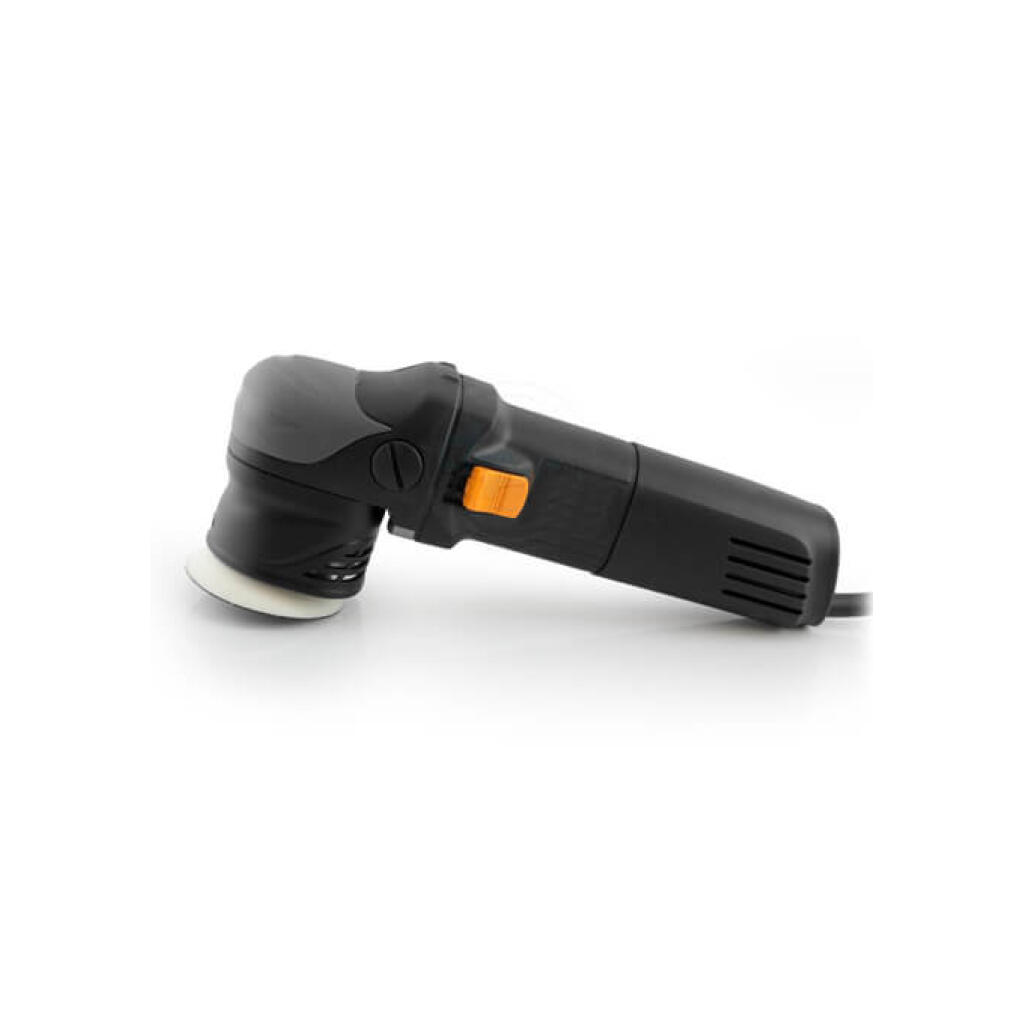
If you’re looking for a beginner-friendly option, the Greenz Mini Dual Action Polisher DM550 is designed specifically for easy and safe use. Its dual-action motion prevents excessive heat buildup, while the compact design makes it easy to control even during your first polishing session.
Tools You Need Before Polishing a Car
Jumping straight into polishing without preparation is a recipe for frustration — or worse, paint damage. Before you start, make sure you have the right tools ready.
Essential Polishing Checklist
- Car polishing machine (dual action polisher recommended)
- Polishing pads — cutting, polishing, and finishing
- Polishing compound or polish
- Microfiber towels
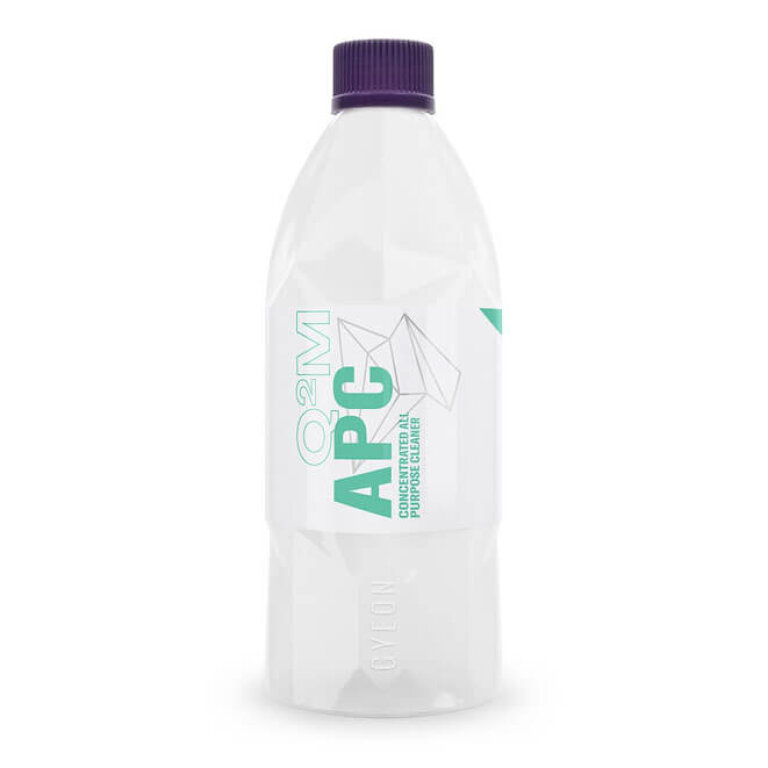
- Car wash shampoo
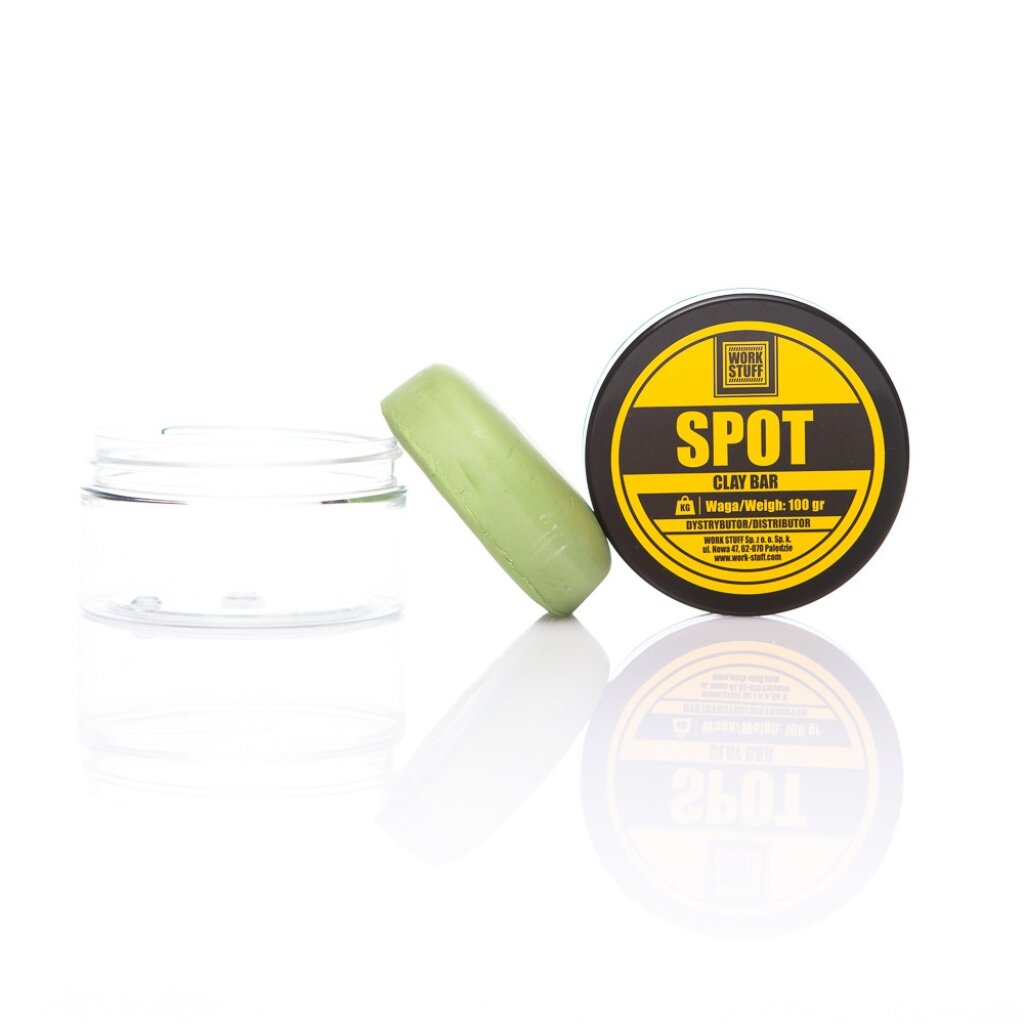
- Clay bar
- Masking tape
Why preparation matters: Skipping the wash or clay bar stage means your polishing pad will grind dirt and contaminants into the paint. Proper preparation is what separates professional results from disappointing ones.
Step-by-Step Guide: How to Polish a Car Safely
This is the most important part of the process. Follow each step carefully for the best results.
Step 1: Wash the Car Thoroughly
Start with a proper two-bucket wash using a quality car shampoo. This removes dirt, grime, and debris that could scratch the paint during polishing. Any particles left on the surface will act like sandpaper under the polishing pad.
Step 2: Decontaminate the Paint with a Clay Bar
Even after washing, the paint often contains embedded contaminants like industrial fallout, tree sap residue, and tar spots. Run your hand across the paint inside a plastic bag — if it feels rough, you need to clay the surface. A clay bar removes these contaminants and leaves the paint perfectly smooth for polishing.
Step 3: Choose the Right Pad and Compound
Different pads provide different levels of correction. Use a cutting pad + compound for heavy swirl marks and deeper scratches, a polishing pad + polish for moderate swirl marks, and a finishing pad + finishing polish for final gloss and paint refinement. When unsure, always start with the least aggressive option.
Step 4: Apply Polish to the Pad
Apply 4–5 small dots of polish onto the pad. This is known as the dot method. Using too much product will make removal difficult and reduce polishing effectiveness. Less product usually produces better results.
Step 5: Start With Low Speed
Place the polishing pad flat on the paint before turning on the machine. Start at low speed (1–2) to spread the polish evenly, then increase to working speed (3–4) for correction.
Step 6: Work in Small Sections
Divide panels into sections of about 2 ft × 2 ft. Trying to polish a large area at once results in uneven correction, dried polish residue, and an inconsistent finish. Small sections provide better control.
Step 7: Use Overlapping Passes
Move the polisher slowly across the paint using a cross-hatch pattern — horizontal passes followed by vertical passes. This ensures even correction across the entire panel. Always keep the machine moving.
Step 8: Wipe and Inspect
Use a clean microfiber towel to wipe off the polish residue. Then inspect the paint under strong lighting and look for remaining swirl marks, haze, or uneven polishing. Repeat the process on that section if necessary.
Common Mistakes That Can Damage Your Car’s Paint
Learning from common mistakes can save your paintwork before it’s too late.
Using Too Much Pressure
The machine should do the work. Applying excess pressure creates unnecessary heat and reduces pad rotation, which leads to uneven correction and potential paint damage.
Skipping the Wash Stage
Polishing over dirt introduces new scratches directly into the clear coat. Always wash and decontaminate the surface before you begin polishing.
Using a Dirty Pad
Pads become clogged with spent polish during use. A clogged pad loses its effectiveness and can drag dried product across the paint. Clean your pads regularly to maintain consistent results.
Polishing in Direct Sunlight
Heat causes polish to dry too quickly on the paint surface, making it harder to remove and reducing correction effectiveness. Always work in a shaded or indoor environment.
Staying Too Long in One Spot
Even with a dual action polisher, excessive dwell time in one area can generate unwanted heat. Keep the machine moving steadily at all times.
How to Get the Best Results When Using a Car Polishing Machine
A few professional techniques can dramatically improve your results.
- Work slowly — slow arm movement increases correction effectiveness
- Clean pads regularly — clean the pad every few sections using compressed air or a pad brush
- Polish in the shade — cool surfaces allow polish to work properly
- Use quality products — cheap compounds can leave haze and micro-scratches
- Use proper lighting — inspection lights help identify remaining paint defects
How Often Should You Polish Your Car?
Polishing removes a small amount of clear coat each time, so more is not always better. For most vehicles, polishing once or twice per year is sufficient.
If your car is properly maintained with regular washing and protective coatings, you may only need to polish once annually. Over-polishing can eventually thin the clear coat and reduce its protective ability.
Should Beginners Use a Polishing Machine?
Yes — as long as you choose the right machine. The fear surrounding polishing machines usually comes from rotary polishers being used incorrectly. A dual action polisher behaves very differently. It is beginner-friendly, forgiving, and much safer for paint.
For beginners, starting with a dual action polishing machine is the best way to achieve professional-level results safely. You can explore our full range of car polishing machines designed for detailing enthusiasts and professionals.
Final Thoughts
Using a car polishing machine may seem intimidating at first. But once you understand the process and use the right technique, it becomes one of the most satisfying parts of car detailing.
With proper preparation, careful polishing, and a beginner-friendly machine, you can restore your vehicle’s paint and achieve a deep, mirror-like shine. And with each polishing session, your skills will improve — making the process faster, easier, and more rewarding.
Ready to Get Started?
If you’re looking for a safe, easy-to-use polishing machine, the Greenz Mini Dual Action Polisher DM550 is a great option for beginners and car enthusiasts. Its compact design and dual-action motion make it ideal for achieving professional results without complicated equipment.
Frequently Asked Questions
Can beginners use a car polishing machine?
Yes. Beginners can safely use a car polishing machine, especially a dual action polisher. These machines are designed to be safe and forgiving, making them perfect for first-time users.
Is a dual action polisher safe for car paint?
Yes. Dual action polishers use a random orbital motion that prevents excessive heat buildup and reduces the risk of burning through the clear coat.
How long does it take to polish a car?
Polishing an average-sized car usually takes 3–6 hours, including preparation. Beginners may take longer while learning the process.