
Monsoon Car Care Guide (India 2026): Protect Your Car in the Rains
The Indian monsoon is beautiful to watch from your balcony and brutal on your car. Between acidic rain, hard-water spotting, relentless humidity, slushy underbody muck, and interiors that start smelling like a damp cupboard, the rainy season quietly does more damage to your car than the entire summer. The good news is that a little planning goes a long way. Here is our practical, India-specific guide to protecting your car through the 2026 monsoon.
Why the Monsoon Is So Hard on Your Car
Rainwater in Indian cities is rarely “just water”. It picks up pollutants and becomes mildly acidic, which etches into unprotected clear coat over time. When that water dries on the panel — especially our mineral-heavy borewell and tanker water used at most washes — it leaves behind hard water spots that are genuinely difficult to remove later. Add constant humidity and you also get the perfect conditions for fungus and mould inside the cabin, plus rust starting on the underbody and door bottoms. Monsoon damage is slow and sneaky, which is exactly why most people miss it until it is too late.
Step 1: Get Protected Before the Rain Sets In
The single best monsoon move is to have a hydrophobic protective layer on the paint before the season peaks. A ceramic coating or paint protection film makes rainwater bead and roll off instead of sitting and etching, and it makes the inevitable mud and grime far easier to rinse away. If you have not protected your car yet, read our guides on the top PPF brands in India and the best ceramic coating brands. A GYEON-coated car in the monsoon is genuinely a different ownership experience — the water just refuses to stick.
Also worth doing before the rains: check and replace worn wiper blades, top up a good windshield washer fluid, and consider a glass coating like GYEON Q² VIEW so you can see clearly in heavy downpours.
Step 2: Do Not Stop Washing Your Car
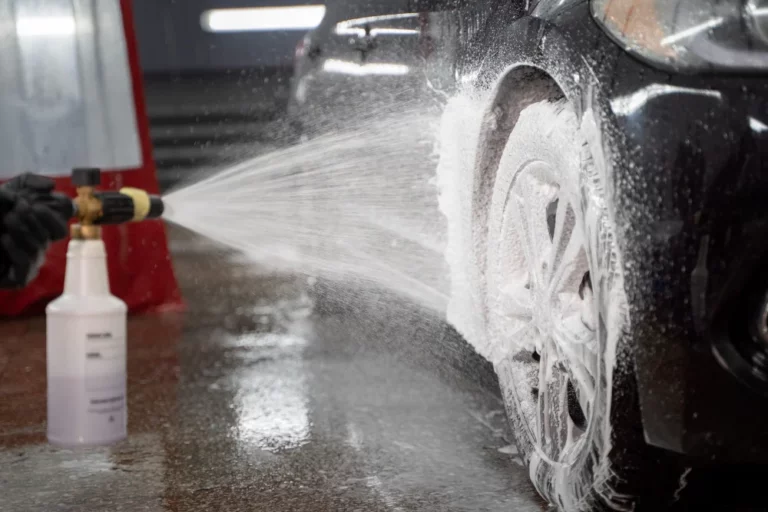
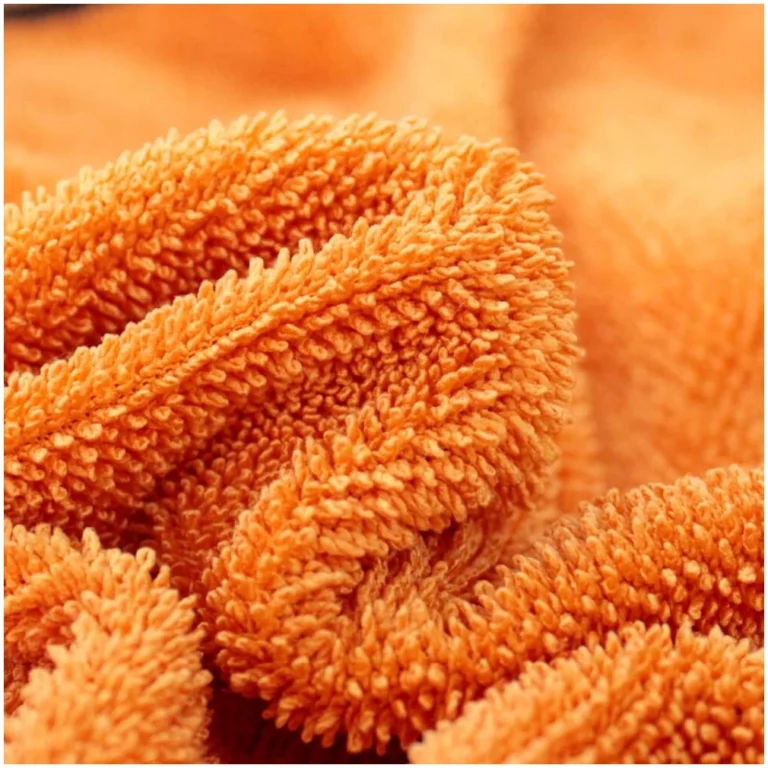
This is the biggest monsoon myth — “it is raining anyway, why wash the car?” Rain is not a wash; it is the opposite. It deposits acidic water and dirt and then lets it bake on. You should actually wash more often during the monsoon, not less. Always use the safe two-bucket wash method with a pH-neutral shampoo, and most importantly — dry the car properly afterwards with a good microfiber drying towel. Letting a car air-dry is how you get water spots.
Step 3: Tackle Water Spots Early
If hard water spots have already formed on your paint or windshield, do not ignore them — they get harder to remove the longer they sit and can permanently etch the surface. A dedicated waterspot remover or a mineral deposit remover will dissolve them safely without aggressive rubbing. For glass, a proper glass polish restores clarity. Catch them early and it is a five-minute job; leave them for a month and it becomes a paint-correction job.
Step 4: Protect the Interior from Humidity and Fungus
Wet floor mats, damp shoes, and closed windows turn your cabin into a humidity trap. Within a couple of weeks you get that musty smell, and on leather and fabric you can actually get fungus. Keep rubber or all-weather mats that you can pull out and dry, run the AC on fresh air for a few minutes after every drive to pull moisture out, and wipe down leather and plastics with the right interior cleaners. A coated and conditioned leather seat resists monsoon moisture far better than a bare one. If the smell has already set in, an odour remover and a proper interior decontamination will sort it out.
Step 5: Do Not Forget the Underbody and Wheels
The underbody, wheel wells, and the bottoms of doors take the worst of the monsoon slush and are where rust quietly begins. After driving through flooded or muddy roads, rinse the underbody and wheel arches with a pressure wash. Clean brake dust and grime off the wheels regularly, and a wheel coating like GYEON Q² RIM makes that ongoing job dramatically easier.
Your Monsoon Car Care Checklist
- Apply or refresh a ceramic coating or PPF before the season peaks
- Replace wiper blades and apply a glass coating for clear vision
- Wash more often, not less — two-bucket method and pH-neutral shampoo
- Always dry the car; never let monsoon water air-dry on the paint
- Remove water spots early before they etch
- Use removable mats, run AC on fresh air, condition leather and plastics
- Rinse underbody and wheel arches after muddy drives
Our Final Word
Monsoon car care is really about staying ahead of the damage rather than fixing it afterwards. Protect the paint, keep washing and drying properly, deal with water spots and humidity early, and your car will come out of the rains looking exactly as it went in. A little effort now saves an expensive paint correction or interior restoration later.
Frequently Asked Questions
Should I wash my car during the monsoon?
Yes — more often, not less. Rain deposits acidic water and dirt that bakes onto the paint. Wash with the two-bucket method and a pH-neutral shampoo, and always dry the car afterwards to prevent water spots.
Does ceramic coating or PPF help during the monsoon?
Absolutely. Both add a hydrophobic layer that makes rainwater bead and roll off instead of sitting and etching the paint, and they make mud and grime far easier to rinse away. A coated car is much easier to keep clean through the rains.
How do I remove water spots after the rain?
Use a dedicated waterspot or mineral deposit remover on paint, and a glass polish on the windshield. Tackle them early — fresh spots wipe off easily, but if left for weeks they can permanently etch the surface and need paint correction.
How do I stop my car interior from smelling musty in the monsoon?
Use removable mats you can dry out, run the AC on fresh-air mode for a few minutes after each drive to remove moisture, and wipe down leather and plastics regularly. If a musty smell has already developed, an odour remover and a full interior clean will fix it.
Is it worth getting PPF or ceramic coating just before the monsoon?
Yes — just before the monsoon is one of the best times to protect your car, because that hydrophobic layer does its hardest work exactly when the rain, acidic water, and grime are at their worst.