Paint Protection Film Installation Cost – What Affects Pricing?
Let’s face it: Buying a new car you wish is a feeling that’s hard to beat. The shine, the flawless paint… it’s automotive perfection.
But then reality hits. That first highway chip, the annoying scratch from a motorcycle, or the swirl marks from a rough wash. Suddenly, you’re on the hunt for the ultimate solution: Paint Protection Film (PPF).
Now, you’ve hit the big question: What is the paint protection film installation cost, and why do the quotes vary so wildly?
If you’re getting sticker shock, take a deep breath. The price for PPF installation in India isn’t just one number; it’s a sliding scale based on several crucial factors. As India’s detailing experts, we’re here to break down every single thing that impacts your PPF installation price.
Let’s dive into what you’re really paying for.
What Exactly is Paint Protection Film (PPF)?
Before we talk about the price tag, let’s quickly define the product.
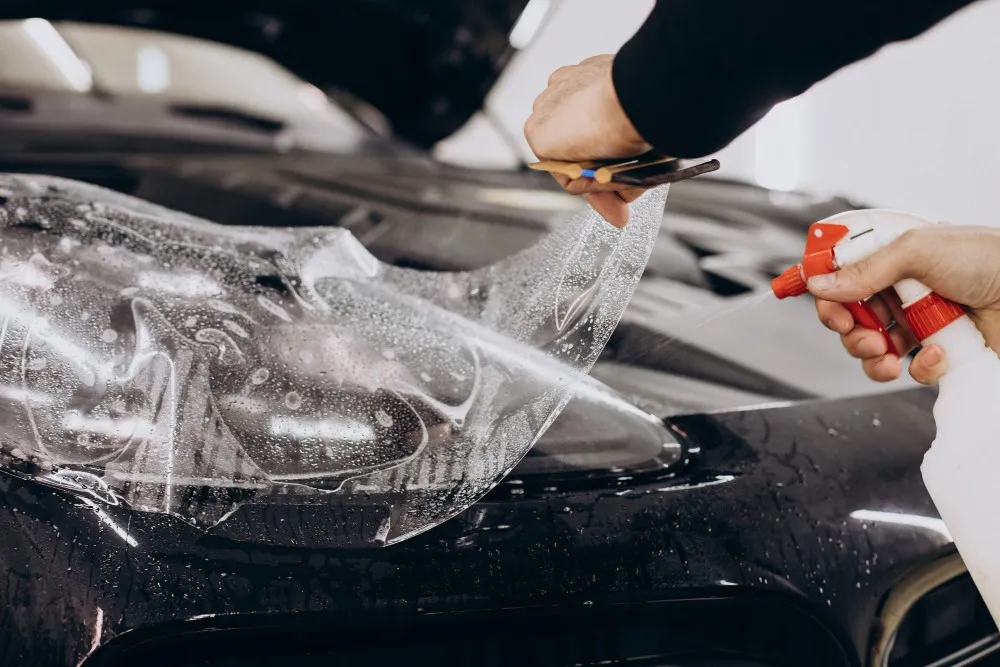
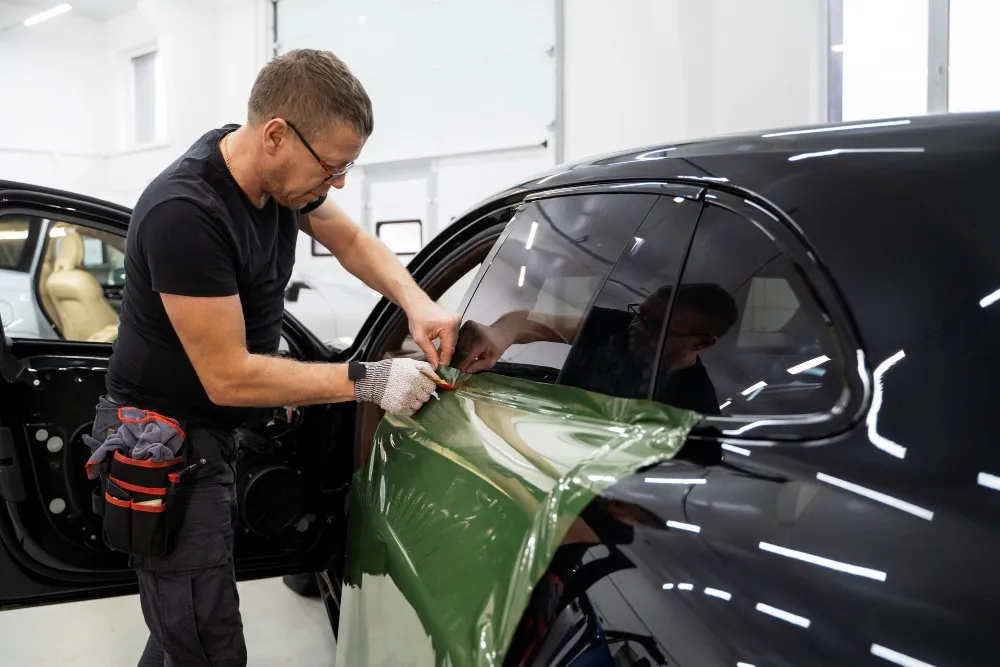
Paint Protection Film (PPF) is a transparent, thermoplastic urethane (TPU) film applied to the painted surfaces of a new or used car. It acts as an invisible, self-healing shield, protecting the original paint from road debris, stone chips, bird droppings, UV exposure, and minor abrasions.
Think of it as the ultimate, heavy-duty screen protector for your car’s paint.
The Material Matters: PVC vs. TPU
When you’re comparing quotes, the first difference is almost always the material used. Not all PPF is created equal:
- PVC (Polyvinyl Chloride): This is the cheapest, entry-level film. It’s rigid, doesn’t self-heal, yellows quickly, and is difficult to install. We generally recommend staying away from this.
- TPH (Thermoplastic Polyurethane Hybrid): A step up from PVC, TPH is essentially PVC that has been chemically treated to make it slightly more flexible. It’s better, but still lacks the premium performance.
- TPU (Thermoplastic Polyurethane): This is the premium choice. TPU is what most high-end brands (like the ones we supply at Greenz Car Care) use. It offers incredible elasticity, superior clarity, self-healing properties, and excellent resistance to yellowing. If you want the best long-term protection, always choose TPU.
Average Paint Protection Film Cost in India
So, let’s talk numbers. The paint protection film cost in India can vary dramatically based on the quality of the film (TPU vs. PVC) and the level of coverage.
Here is a general, representative range for a full-body installation using good quality TPU PPF in major metro cities:
| Vehicle Segment | Full Body PPF Cost Range (Good Quality TPU, eg. GYEON) |
| Hatchback (e.g., Swift, i20) | ₹80,000 – ₹110,000 |
| Sedan (e.g., Verna, City) | ₹90,000 – ₹1,40,000 |
| Compact SUV (e.g., Creta, Seltos) | ₹110,000 – ₹1,50,000 |
| Full-Size SUV (e.g., Fortuner, Endeavour) | ₹1,30,000 – ₹2,00,000+ |
| Luxury/Exotic Cars | ₹1,80,000 and above |
PRO TIP: If you find a quote that seems too good to be true (e.g., a full sedan for ₹30,000), it’s almost certainly a cheap PVC or TPH film. You’ll end up paying more down the line to have it removed when it fails.
8 Factors That Directly Affect PPF Installation Cost
When you get a quote, you’re not just paying for a sheet of film. You are paying for a complete, highly technical service. Here are the 8 key factors that influence the final PPF installation price.
1. Type of PPF Material (PVC vs TPU)
As mentioned, this is the single biggest factor. A roll of TPU PPF costs the installer significantly more than a roll of PVC. Because TPU is a premium product offering superior protection and durability, it naturally demands a higher PPF car protection price.
2. Thickness & Quality (6mil, 8mil, 10mil)
PPF thickness is measured in “mil” (one-thousandth of an inch), or sometimes in microns ($mu m$).
- A standard quality film is usually 6mil (around $150 mu m$).
- Premium, heavy-duty films are typically 8mil (around $200 mu m$).
A thicker film offers better resistance to deep stone chips and costs more. Make sure you ask your installer about both the material and the thickness.
3. Brand Reputation
Much like tyres or lubricants, the brand name carries a price premium—and often, guaranteed quality. Reputable global brands like GYEON, STEK, Xpel, and others invest heavily in R&D to ensure their films resist yellowing and maintain clarity. Choosing a generic or unknown brand to save a few thousand rupees is a huge risk.
4. Coverage Level (Partial vs Full Body)
This is a choice you make, which heavily impacts the amount of film used:
- Full Body: The entire exterior of the car is wrapped. This is the most expensive but offers 100% protection.
- Full Front/High-Impact: Covers the most vulnerable areas: the full bonnet, front bumper, fenders, side mirrors, and A-pillars. This is the most common choice for saving money while protecting against the worst damage.
- Partial: Just the bumper or the edges of the doors.
5. Installer Skill & Location (PPF Labour Charges India)
You are paying a massive labour charges component. A highly experienced, certified installer who uses computer-cut patterns and wraps every edge will charge more than a roadside shop doing a wet-cut install. High-end detailing studios in cities like Mumbai, Delhi, or Bangalore usually have higher overheads, which reflects in the final price.
6. Vehicle Size & Complexity
It takes far less film and time to install PPF on a Maruti Swift than on a Toyota Fortuner. Furthermore, cars with complex curves, vents, and panel gaps (like many European luxury cars) take significantly more time to wrap, increasing the overall installation cost.
7. Pre-installation Surface Preparation
A quality PPF job is 70% prep work. The car must be absolutely spotless. If your car has swirl marks, light scratches, or heavy oxidation, the installer must perform paint correction (polishing) before applying the film. This adds several hours (and cost) to the final bill.
Need to stock up on professional detailing gear? We have a full range of high-quality Car Wash Shampoo and Detailing Tools & Polishing Machines right here at Greenz Car Care.
8. Warranty Period & After-Sales Support
A premium PPF will come with a solid warranty—often 5 to 10 years—covering defects like bubbling, peeling, or cracking. This warranty is built into the cost. Always confirm what the warranty covers and whether the installer will handle any claims.
PPF Cost Breakdown – What Are You Actually Paying For?
When the bill arrives, it’s easy to focus on the final figure. But here is the typical distribution of costs:
- Material Cost (45%–60%): The actual cost of the high-quality TPU film used.
- Labour Charges (35%–50%): The extensive time (15–30 hours for a full wrap) and highly specialized skill required to perfectly apply the film.
- Preparation & Detailing (5%–10%): Costs for chemicals, claying, degreasing, and light paint correction.
PPF vs Ceramic Coating – Which Is More Cost-Effective?
This is the classic dilemma. Both offer protection, but they do very different jobs.
| Feature | PPF (Paint Protection Film) | Ceramic Coating |
| Primary Protection | Physical barrier against stone chips, deep scratches, and abrasions. | Chemical bond for gloss, UV protection, and chemical resistance. |
| Cost | High (₹80,000 – ₹2,00,000+) | Moderate (₹25,000 – ₹50,000+) |
| Durability | 5 – 10 Years | 1 – 5 Years |
| Self-Healing? | Yes (in self-healing films) | Normally No |
| Best For | New cars, enthusiasts, high-impact zones, ultimate protection. | Hydrophobic finish, maximum gloss, ease of cleaning. |
When you compare the ceramic coating vs PPF cost, Ceramic Coating is far cheaper and offers fantastic value, but it cannot stop a stone chip. PPF is the more expensive investment, but it’s the only one that provides true physical protection.
Why not both? The ultimate protection stack is often PPF on the high-impact zones, with a Ceramic Coating applied on top of the PPF (and the rest of the car) for maximum hydrophobic properties.
Explore Ceramic Coating Alternatives at Greenz Car Care.
Common Pricing Mistakes Buyers Make
To ensure you get maximum value for your money, avoid these common errors:
- Choosing Cheap PPF: You are guaranteed poor quality, rapid yellowing, and difficult, expensive removal.
- Not Checking Installer Experience: A perfect film can look terrible if the installer is inexperienced. Always look at their finished work.
- Confusing Microns with Quality: A seller might boast about thickness (microns), but thickness means nothing if the base material is cheap PVC. Always confirm it’s TPU.
- Overpaying for Low-Quality Brands: Don’t assume a high price means high quality. Use the questions below to vet the installer and the film brand.
How to Choose the Right PPF Installer in India
Don’t just go with the cheapest quote. Use this checklist:
- Ask about the Material: Is it TPU? (This is your first, non-negotiable question).
- Inquire about the Warranty: What is the duration, and what exactly does it cover?
- Demand to See the Facility: A clean, dust-free, enclosed bay is essential for a professional installation.
- Look for Finished Work: Check their portfolio and inspect a finished car in person.
Why Quality Matters – Long-term Value of Premium PPF
The initial PPF installation price seems high, but consider the long-term value:
- Unmatched Paint Protection: Your original factory paint is locked away safely, free from chips and swirls.
- Higher Resale Value: A car with flawless, original paint fetches a higher price on the used car market. The PPF is designed to be removed years later, revealing a brand-new-looking finish underneath.
- Reduced Maintenance Costs: The self-healing property of TPU PPF means those light swirl marks disappear simply by sitting in the sun or pouring warm water on them.
Shop High-Quality PPF & Car Care Products at Greenz Car Care
At Greenz Car Care, we only stock and supply premium, installer-grade products because we believe in providing the best possible protection for your vehicle. Whether you’re a detailer looking for the best materials or a car owner looking for advice, we are your trusted source.
Ready to secure the ultimate protection for your ride?
Click here to explore our full PPF collection and get started!