GYEON Q²M Iron, Tar and ClayLube: A Better Decontamination Routine Before Claying and Coating
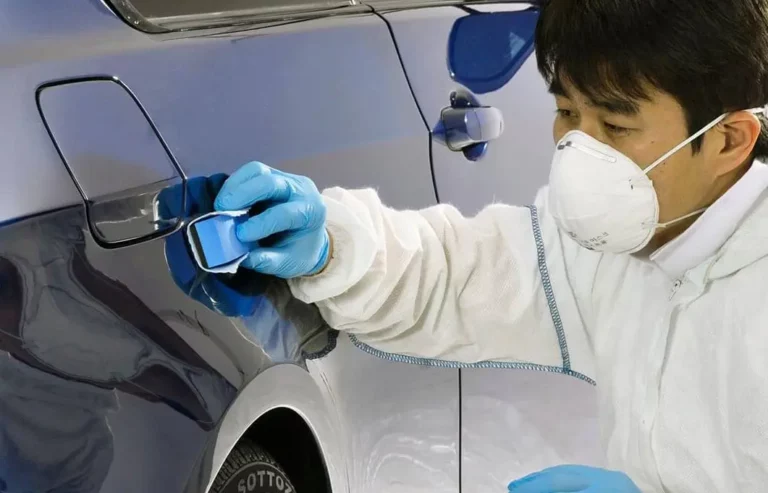
Before claying or preparing paint for a quartz coating, it is useful to remove as much contamination as possible chemically. A clay bar is a mechanical tool: it lifts what remains from the surface, but relying on claying for every type of contamination can make the process longer and may increase the possibility of marring on soft or medium paints. GYEON’s Q²M Iron, Q²M Tar and Q²M ClayLube are designed to work as a practical pre-coating decontamination routine for professional and enthusiast detailers.
Why chemical decontamination comes first
Brake dust and iron fallout can bond to paint and slowly oxidize or corrode. Caustic compounds can leach out and stain underlying surfaces, and the problem may not be visible until it is too late. These contaminants cannot be easily removed by normal claying alone, so a chemical step is useful before mechanical decontamination.
Tar contamination requires a different approach. Tar spots on a car exterior can be difficult to deal with through claying alone. Dissolving most of this contamination first can reduce the amount of material that has to be removed mechanically. That can speed up detailing and help avoid the lengthy claying process that would otherwise be required.
Step one: dissolve iron contamination with Q²M Iron
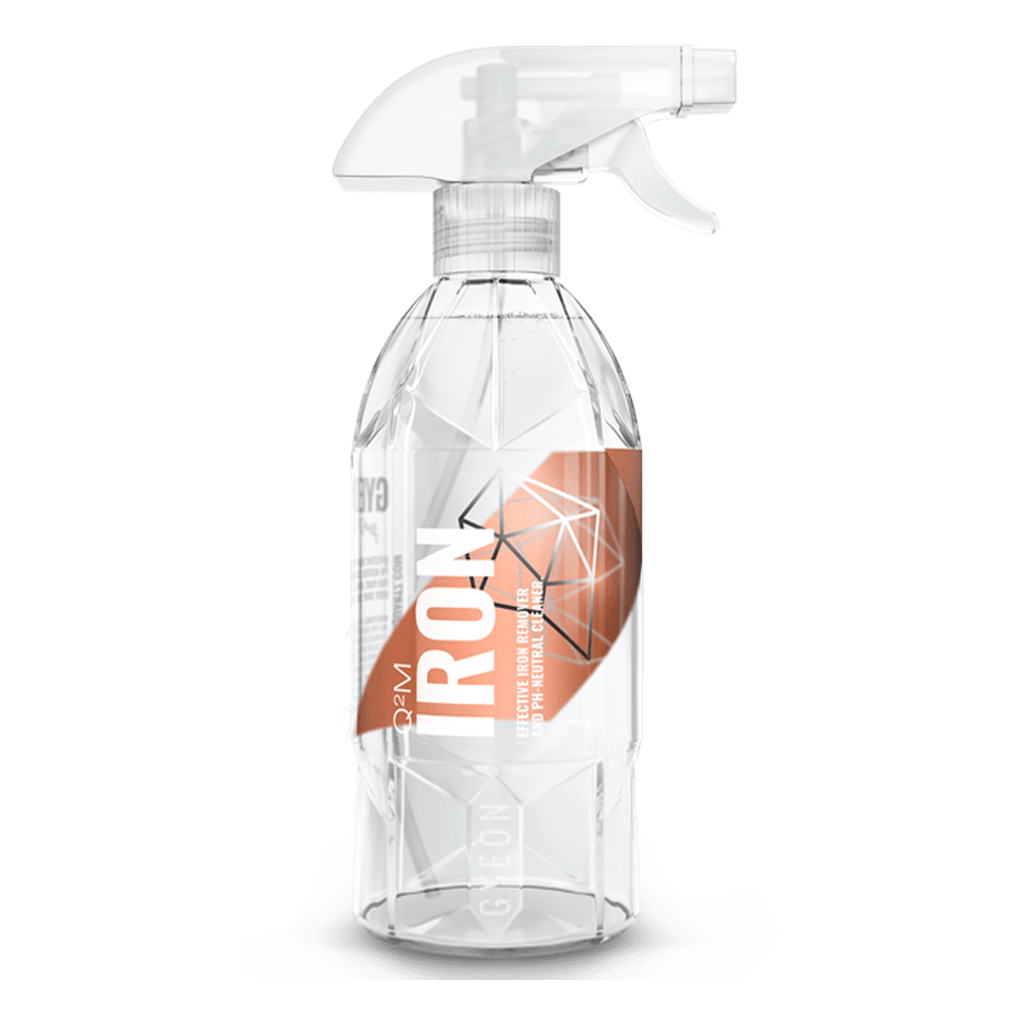
GYEON Q²M Iron is a pH-neutral iron decontaminator for cleaning brake dust and iron fallout from paint and wheels. Its main ingredient is a highly reactive neutralized acid salt that reduces ferrous compounds and particulates into a soluble form, making them easy to rinse away with water.
In a pre-coating routine, Q²M Iron is the chemical step for iron contamination. It is designed with professional detailers in mind and reacts with the contaminants rather than depending on claying alone to remove them. Once the iron contamination has been chemically addressed, the surface is ready for the next decontamination step, subject to the detailer’s normal process.
Step two: dissolve tar with Q²M Tar
GYEON Q²M Tar is a premium tar remover for tar spots on car exteriors. It is used alongside Q²M Iron and Q²M Clay as part of routine coating-safe decontamination. Its role is to dissolve most tar contamination before the remaining surface contamination is handled with clay.
Using Q²M Tar together with Q²M Iron can reduce contamination that would otherwise need to be removed by claying. That matters when maintaining paint that has previously received paint correction, and it can help prevent clay-marring. On soft or medium paints, claying can cause marring, so reducing the amount of contamination left for the mechanical step is useful.
Q²M Tar does not affect coatings and is described as hydrophobic and durable. In this routine, it is the product for tar contamination, while Q²M Iron addresses iron-based contamination. They are complementary chemical steps rather than substitutes for one another.
Step three: lubricate the remaining claying with Q²M ClayLube
GYEON Q²M ClayLube is a clay lubricant developed to work with any type or manufacturer of clay bar without affecting the clay or staining paint. After Q²M Iron and Q²M Tar have dissolved the contamination they are intended to address, ClayLube provides lubrication for any remaining mechanical claying step.
Its extremely slick formula reduces friction and prevents the clay from “grabbing” and marring the surface. The product does not contain gloss-enhancing oils or protective polymers, so the paint stays bare and ready for polishing or applying a quartz coating afterward. This makes it different from many quick detailers that are used as clay lubricant substitutes.
Q²M ClayLube is very dense, so only small amounts are needed. It is neutral and safe for all clay bars, cloths or discs. The purpose is straightforward: keep the remaining claying step lubricated without adding gloss-enhancing oils or protective polymers that would leave the paint less bare for the next stage.
A practical order for the routine
- Use Q²M Iron to chemically dissolve brake dust and iron fallout from the paint and wheels.
- Use Q²M Tar to dissolve tar spots and other tar contamination on the car exterior.
- Use Q²M ClayLube when mechanical claying is still needed for contamination that remains after the chemical steps.
This order separates the jobs clearly: Iron and Tar chemically dissolve the contamination they are designed to address, while ClayLube supports the mechanical removal of what remains. For a detailer preparing paint for polishing or a quartz coating, reducing unnecessary claying is a more considered approach than treating every contaminant as a clay-only problem.