
How to Apply Car Wax by Hand: Prep, Pads and Buff-Off
Most people who are disappointed with wax did not pick the wrong product. They applied too much, on a dirty or hot panel, and then fought to remove it. This guide shows how to apply car wax or sealant by hand: how to prepare the paint, which applicator to use, why thin coats win, and how to buff off cleanly.
Why hand application works
Applying by hand gives you control. You feel the panel, you can work around badges and edges, and you never risk burning a corner with a machine. It is also the easiest way to learn what a product does before you try a polisher.
Step 1: Prepare the surface
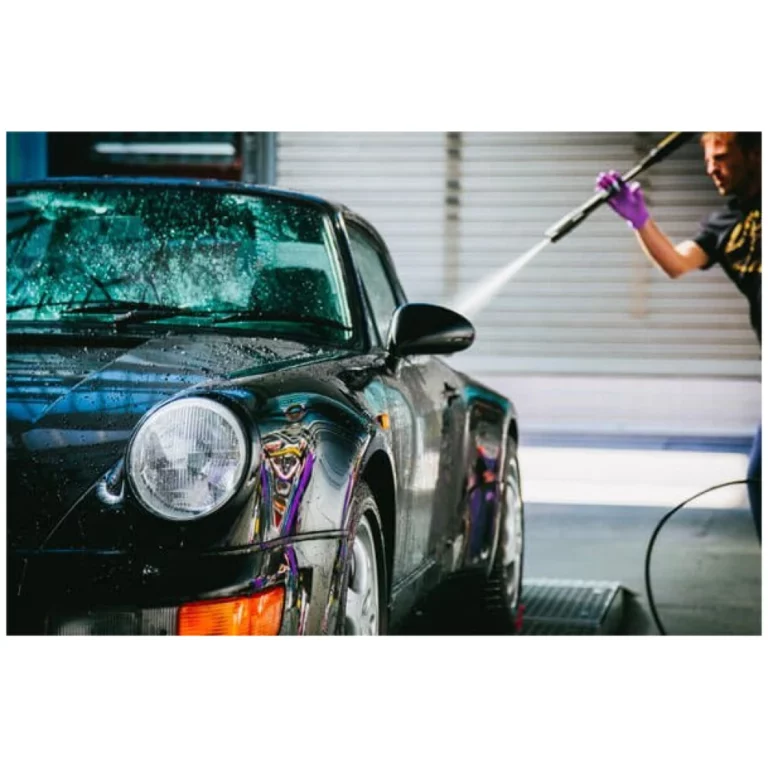
Wax and sealant bond to paint, not to dirt. Wash the car properly, rinse, and dry it with a clean towel. If the paint still feels rough after washing, decontaminate it first. Work in the shade on a cool panel; a hot panel flashes the product too fast and makes it streak. For a gentle drying routine, see how to dry a car without scratches.
Step 2: Choose the product and the pad
Paste waxes and liquid waxes are the easiest to learn on. Pick one product and one pad, and keep both clean.
Paste wax
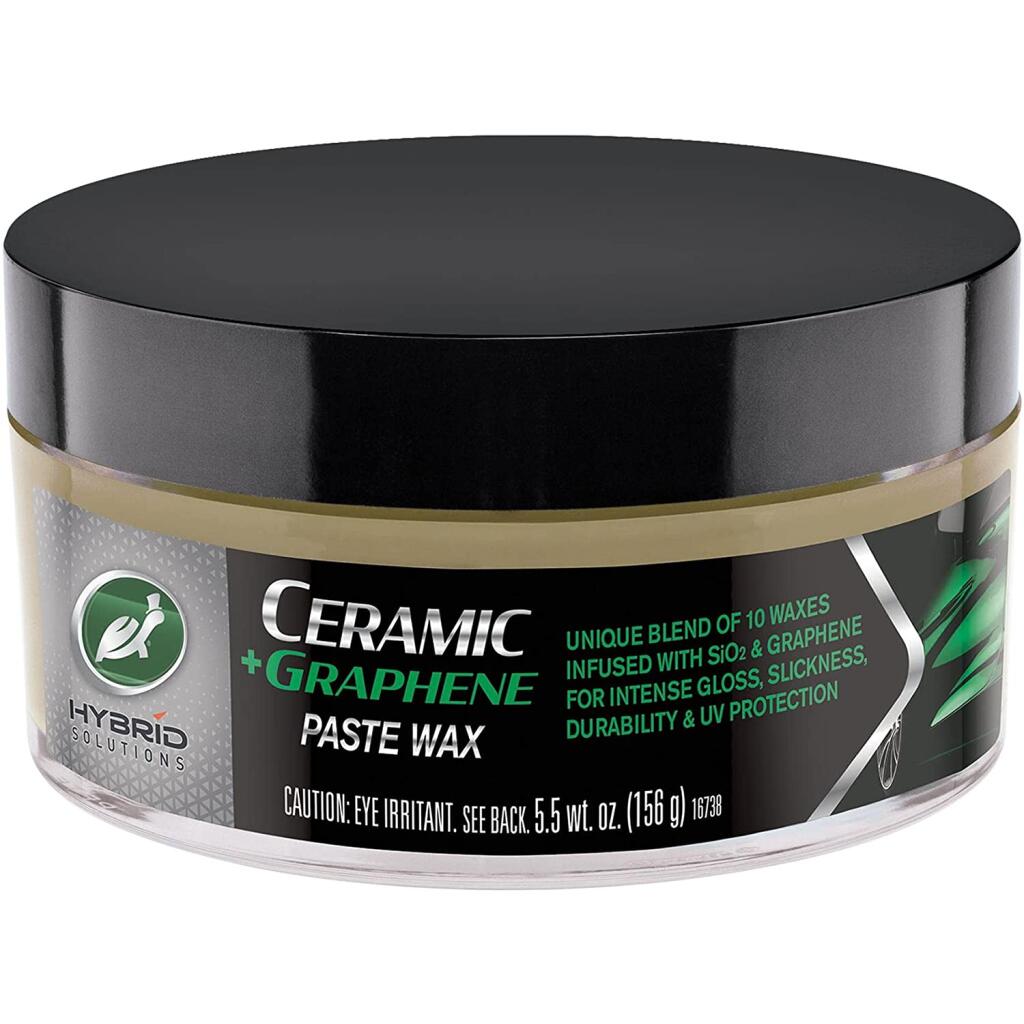
A paste wax gives you a slow, controlled application. The listing for Meguiar’s Gold Class Carnauba Plus Premium Paste Wax says it glides on and off easily and can be used by hand or with a dual action polisher on glossy paint. The Turtle Wax Hybrid Solutions Ceramic Graphene Paste Wax combines wax, SiO2 and graphene, and the listing mentions water beading and UV protection.
Liquid wax with ceramic content
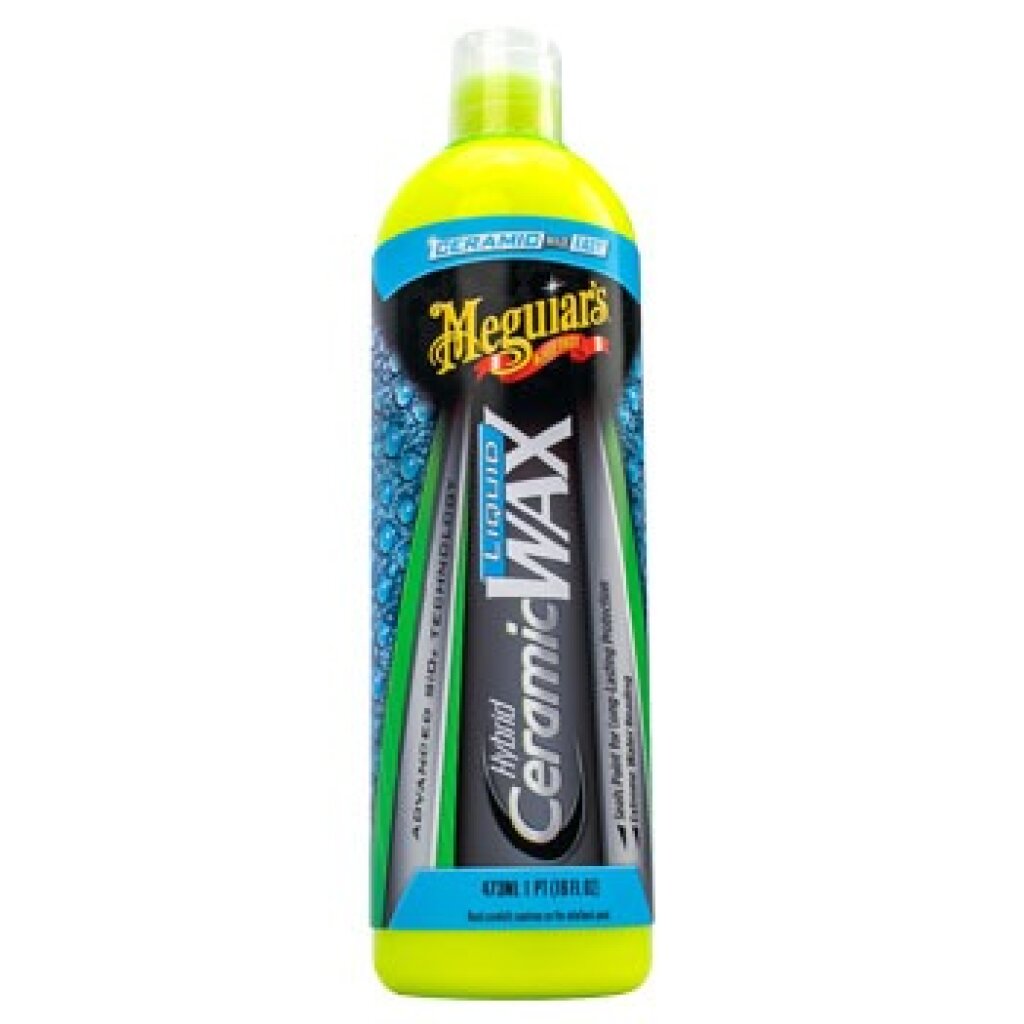
If you prefer a liquid, the Meguiar’s Hybrid Ceramic Liquid Wax is described as applying like a traditional liquid wax, by hand or with a DA polisher, and as non-whitening on unpainted trim and rubber gaskets.
Applicator pads
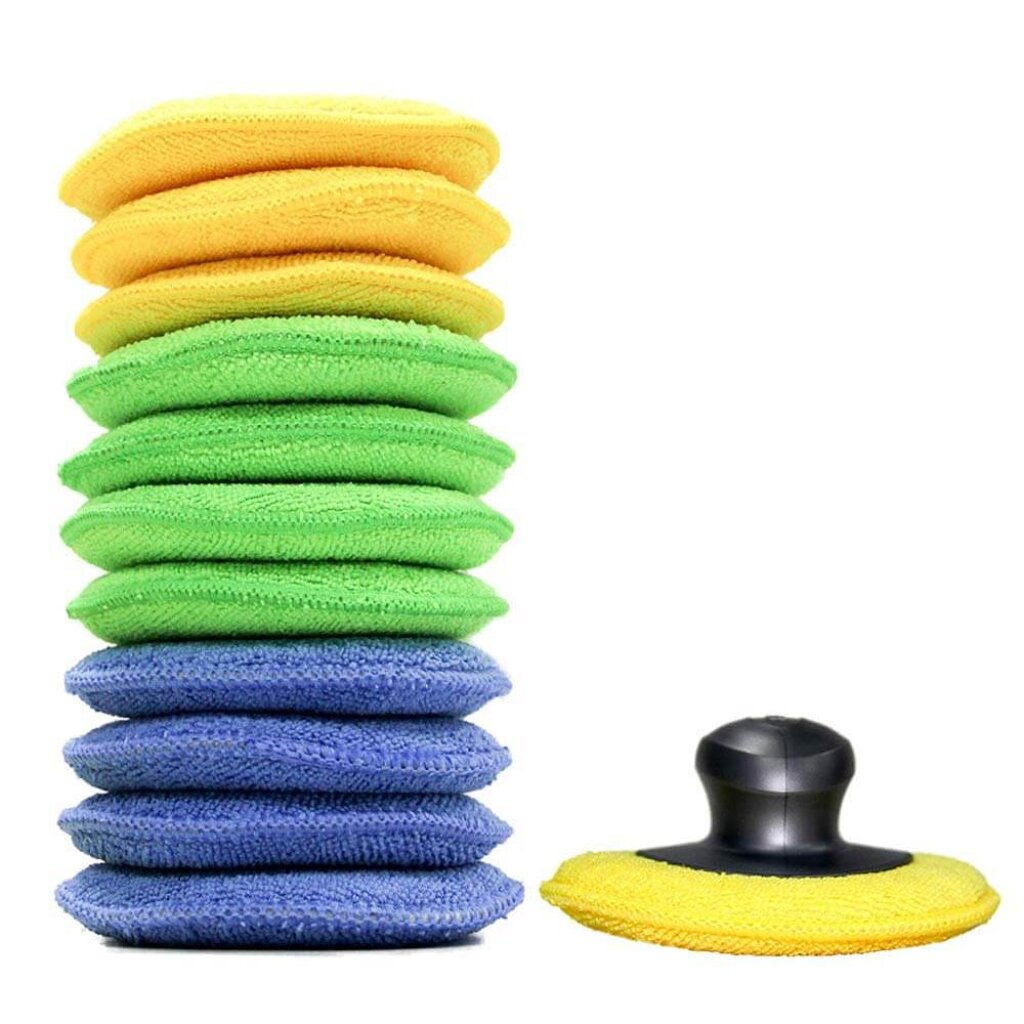
Use a soft foam pad made for wax. The GreenZ Soft Microfiber Wax Applicator Pads (5 pcs) are microfiber-covered foam, which the listing says promotes even distribution and is clear coat-safe. The GYEON Q2M Wax Applicator 2-pack has an ergonomic shape that the listing says allows precise application, even in hard to reach areas. Keep a separate pad for wax and never reuse one that has touched the ground.
Step 3: Apply in thin coats
- Put a small amount on the pad: a thin film, not a blob.
- Work one panel or half a panel at a time.
- Use overlapping straight passes, with light pressure. The pad spreads the product; it does not need force.
- Keep wax off textured black trim and rubber. If you touch it, wipe it quickly.
- Follow the directions on the product label for cure time; they differ between products.
A thin coat is easier to remove and looks better. A second thin coat later adds more than one thick coat ever will.
Step 4: Cure and buff off
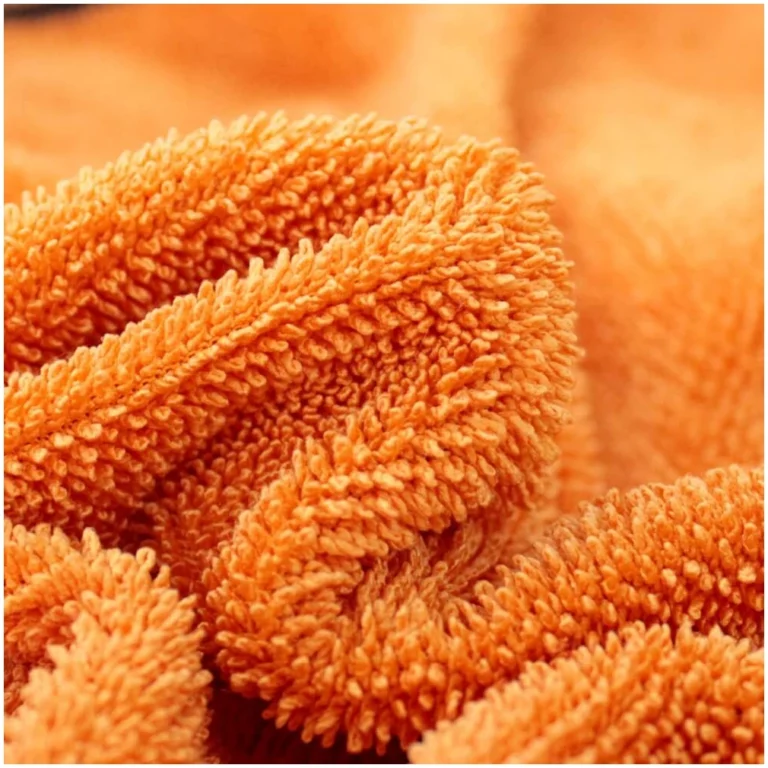
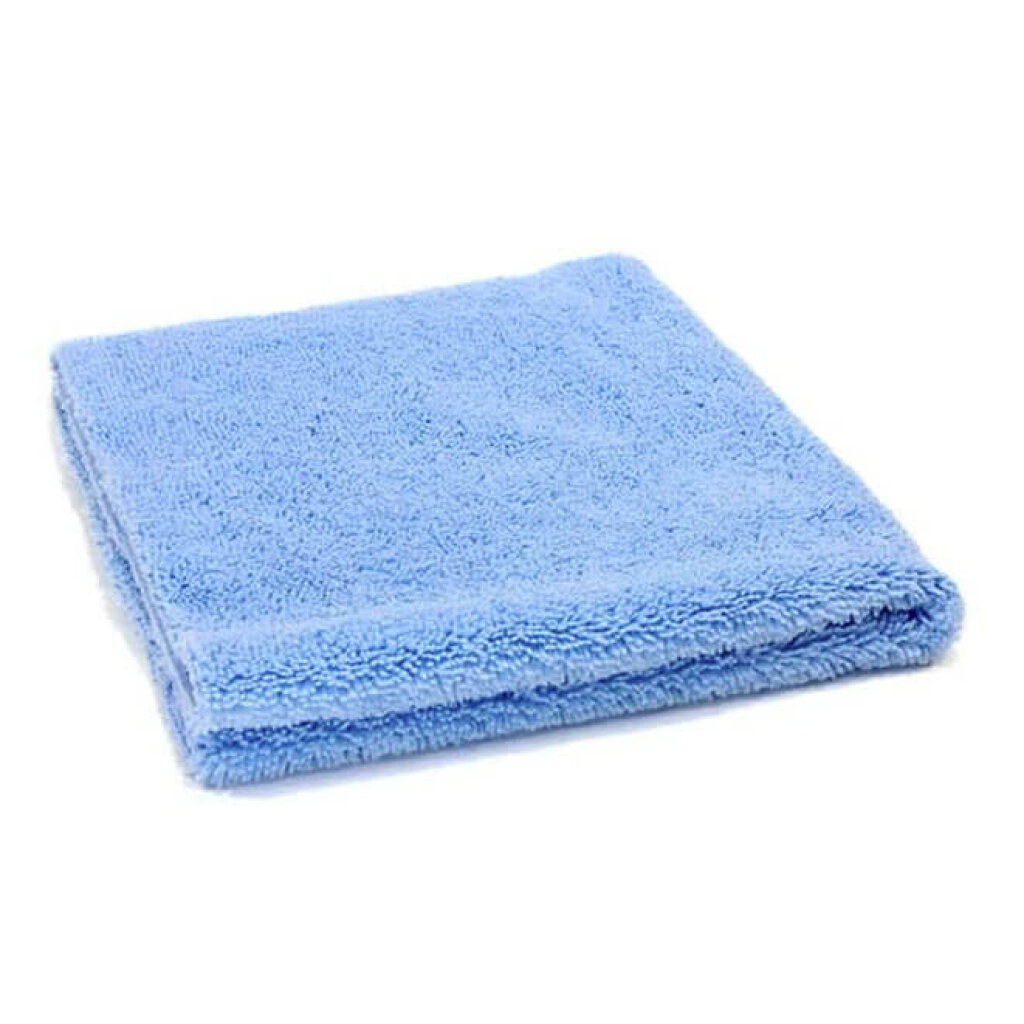
Let the product cure for the time on its label. Then buff with a clean, soft towel, folding it into fresh sides as it loads up. The GreenZ Edgeless 450 Microfiber Towel is described as soft and non-scratching, and as great for wax and polish residue removal. Use light strokes and let the towel do the work. To understand the different towel types, read our microfiber towel guide.
Common mistakes to avoid
- Waxing in direct sun or on a warm panel.
- Using too much product, which only makes buffing harder.
- Skipping the wash or decontamination step.
- Buffing with a dirty or damp towel.
- Letting wax dry on trim and in panel gaps.
Which one should you choose?
- First time with wax: a paste wax and a soft foam or microfiber pad.
- Want easy spreading: a liquid wax with ceramic content.
- Tight areas and edges: a shaped applicator.
- Clean finish: always a fresh edgeless towel for buffing.
For the difference between waxes, sealants and coatings, see Waxes Vs Sealants Vs Coatings.
Frequently Asked Questions
How do I apply car wax by hand?
Wash and dry the car in the shade, put a thin film of wax on a soft applicator pad, spread it in overlapping passes on one panel at a time, let it cure as the label says, then buff off with a clean microfiber towel.
Which applicator pad should I use for wax?
Use a soft foam or microfiber-covered foam pad made for wax and keep it only for that job. A shaped applicator helps in tight areas.
Why should I apply wax in thin coats?
A thin coat spreads evenly and is easy to buff off. A thick coat leaves residue and streaks and takes more effort to remove.
How long should wax cure before buffing?
It depends on the product, so follow the cure time on the label of the wax or sealant you are using.
Can I apply wax to a dirty car?
No. Wash and dry the car first, and decontaminate the paint if it feels rough, so the wax bonds to clean paint.