How to Price Car Detailing Services in India
The most common pricing mistake in detailing is quoting what the studio down the road charges, or less. Under-cutting leads to diluted processes and inferior products, so nobody benefits, including the customer. This guide shows how to build a price from your own costs, and how to use market ranges sensibly. It is part of our complete guide to starting a detailing business.
Know your cost per job
A price has to cover four things:
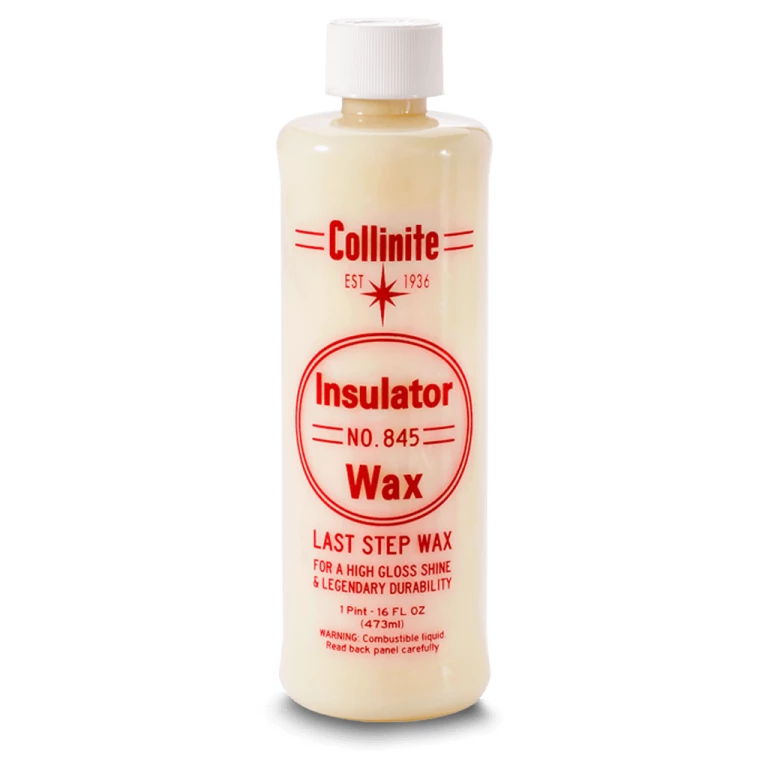
- Products used. Check each product’s coverage and usage instructions and work out what a typical car consumes. For example, Collinite 845 covers 1,200 to 2,000 sq ft per 16oz bottle.
- Labour time. Estimate hours realistically, including preparation. A full-body PPF install takes 15 to 30 hours of skilled work, and a professional can install a full front end in 6 to 8 hours.
- Overheads. Rent, power, water, equipment wear, insurance and marketing all need to be spread across your jobs.
- Risk and rework. Include time to fix problems and honour your warranty.
Then add your margin. A simple formula is: price = (product cost + labour hours × your hourly rate + share of overheads) plus your margin. Fill it in with your own numbers.
Quote after inspection
Paint condition changes the work. If the paint already has swirl marks or scratches, a paint correction pass has to come before any coating, and that adds time. Quoting before you have seen the car either loses you money or hides the real cost from the customer. Inspect first, then explain what the car needs.
Use market ranges as reference points, not targets
Our own guides give India-specific reference ranges that help you sense-check a quote:
- Ceramic coating: about ₹20,000 to ₹1,20,000, depending on vehicle size, paint condition, coating tier and applicator experience. See ceramic coating prices and costs.
- Full-body PPF with good-quality TPU: roughly ₹80,000 to ₹1,10,000 for a hatchback, ₹90,000 to ₹1,40,000 for a sedan, ₹1,10,000 to ₹1,50,000 for a compact SUV, ₹1,30,000 to ₹2,00,000+ for a full-size SUV, and ₹1,80,000 and above for luxury cars. See PPF installation cost.
A quote far below these ranges usually means cheaper material, a shorter process or a less experienced installer, which is exactly the trap you want to avoid.
Build clear service tiers
Package your work so customers can choose without negotiating line by line. A common structure is maintenance and washing, correction, protection with wax or sealant, and long-term protection with coating or PPF. Describe each package by process and products used, in the same way our GreenZ Auto Detailing Process lays out cleaning and decontamination, correction, protection and maintenance.
Do not discount the process
If you must lower a price, reduce scope, such as fewer panels or a lighter package, instead of cutting steps or switching to inferior products. Customers pay for a defined process, and shortcuts show up later as failures and lost trust. Being loyal to the brands you use also shows confidence.
Review your prices regularly
Product costs, rents and your own skill all change. Revisit your numbers every few months, and track how long jobs really take so your estimates improve. When you are ready to expand your services, our starter kit guide shows what to add and when.
Frequently Asked Questions
How do I price a car detailing job?
Build the price from your own costs: products used, realistic labour time, a share of overheads such as rent, power and insurance, and time for rework. Then add your margin.
Why should I quote only after inspecting the car?
Paint condition changes the work. Swirl marks or scratches need a correction pass before any coating, which adds time, so quoting before you have seen the car either loses money or hides the real cost.
Should I match the prices of other detailing studios?
Use market ranges as reference points, not targets. Quoting what the studio down the road charges, or less, leads to diluted processes and inferior products.
How should I structure detailing packages?
Package your work into clear tiers: maintenance and washing, correction, protection with wax or sealant, and long-term protection with coating or PPF. Describe each by process and products used.
What should I do if a customer asks for a discount?
Reduce the scope, such as fewer panels or a lighter package, instead of cutting steps or switching to inferior products. Shortcuts show up later as failures and lost trust.