
How to Clean a Car Engine Bay Safely: Degreasers, Dilution and Dressing
A clean engine bay helps you spot leaks, makes servicing easier and makes a car look cared for when the bonnet is lifted. It is also one of the easier places to cause damage, because of the electrics, the heat and the strong cleaners involved. This guide covers how to choose a cleaner and its dilution, how steam fits in, and how to dress the bay afterwards.
General safety first
The product pages explain dilution but not engine-bay safety, so treat this section as general guidance and check your vehicle’s manual:
- Work on a cool engine, never a hot one.
- Protect or avoid exposed electrical parts, connectors and the air intake, and do not aim a high-pressure jet at them.
- Use the weakest dilution that works and rinse gently.
- Dry the bay properly afterwards, and test any product on a small hidden area first.
Choose a cleaner and dilution
Engine bays need stronger mixes than interiors, but start gently and step up only if needed. GYEON’s guidance for its APC is to always start with the highest dilution (the weakest mix) for the task and reduce it gradually. The ratios below come from the product pages:
- The GreenZ All Purpose Cleaner (APC) is listed at 1:5 for the engine bay.
- The Malco Red Thunder All Purpose Cleaner & Degreaser is a highly concentrated, non-caustic, aluminium-safe APC that Malco says excels as both an engine cleaner and degreaser. It has the same listed ratio of 1:5 for the engine bay.
- The GYEON Q²M APC runs from 1:5 for exterior applications, and in extreme cases such as very dirty engine bays it can be used at 1:1.
- The GreenZ Degreaser is a highly concentrated degreaser for heavy dirt and greasy stains on wheels and engine bays, listed at 1:10. GreenZ says it can break oil molecules.
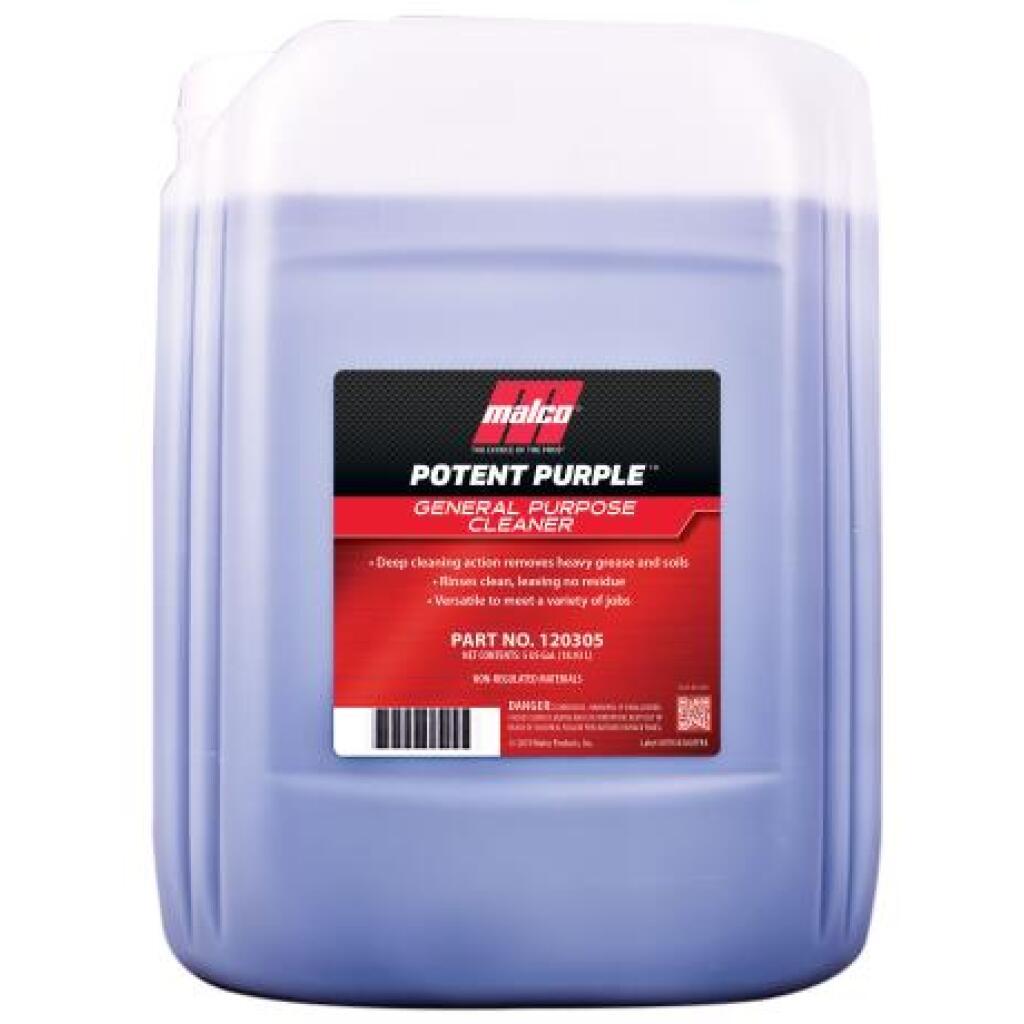
- The Malco Potent Purple™ Super Duty Degreaser cuts through the heaviest accumulations of grease and oily dirt and can be diluted up to 1:3. It is caustic, so use more care with it than with a general APC.
- The Optimum Power Clean APC is described as cleaning everything from the engine bay to leather and the dashboard, and is used diluted on delicate surfaces.
See our APC dilution guide for how to choose a mix for each surface.
Agitate with a brush
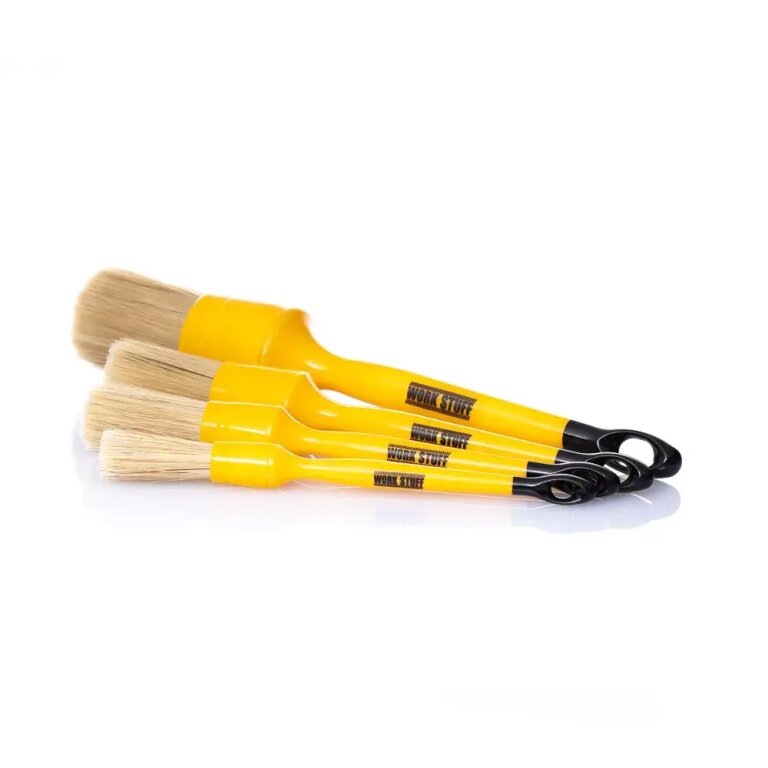
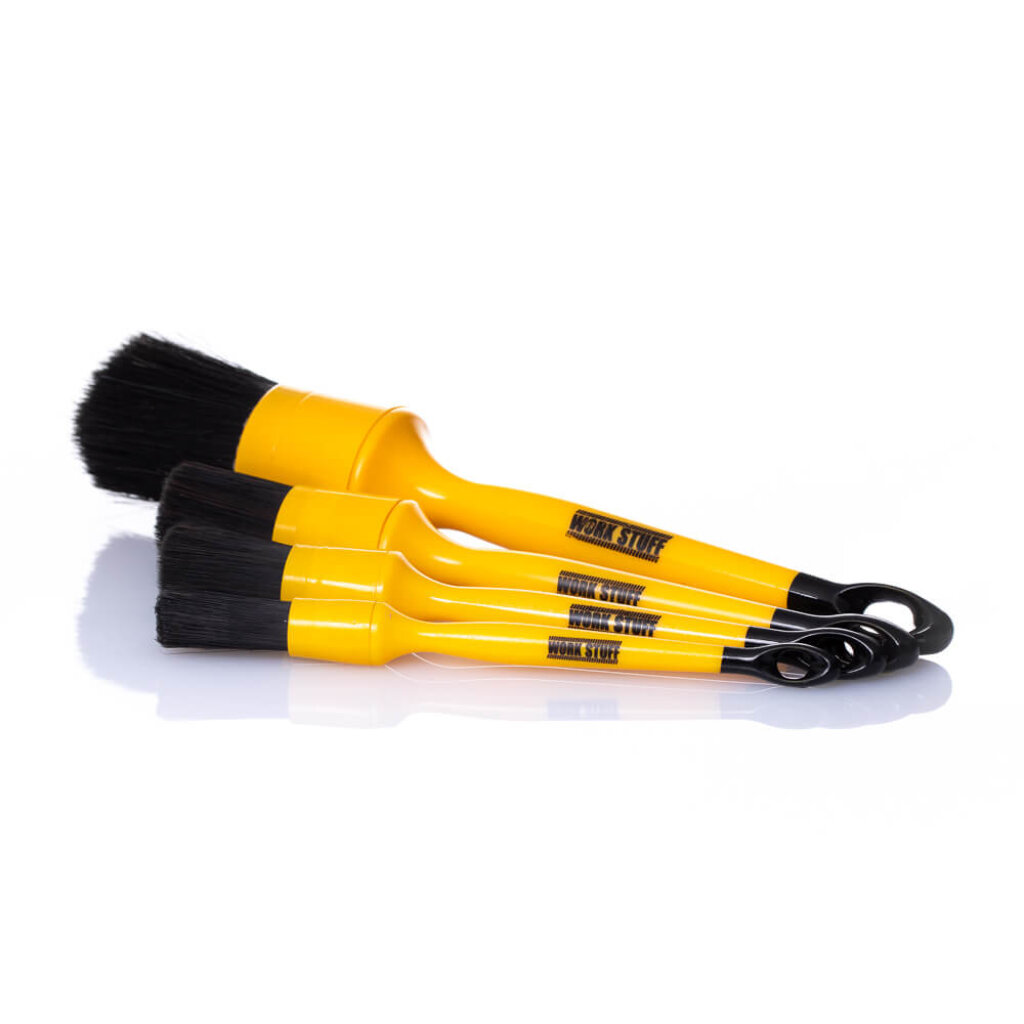
A brush loosens baked-on grime. The WORK STUFF Detailing Brush BLACK is built for high cleaning power on rims, sills, recessed areas, engine chambers and interiors, but Work Stuff states it should not be used on scratch-prone elements such as car bodies and gloss black finishes, so keep it off painted panels.
Where steam fits in
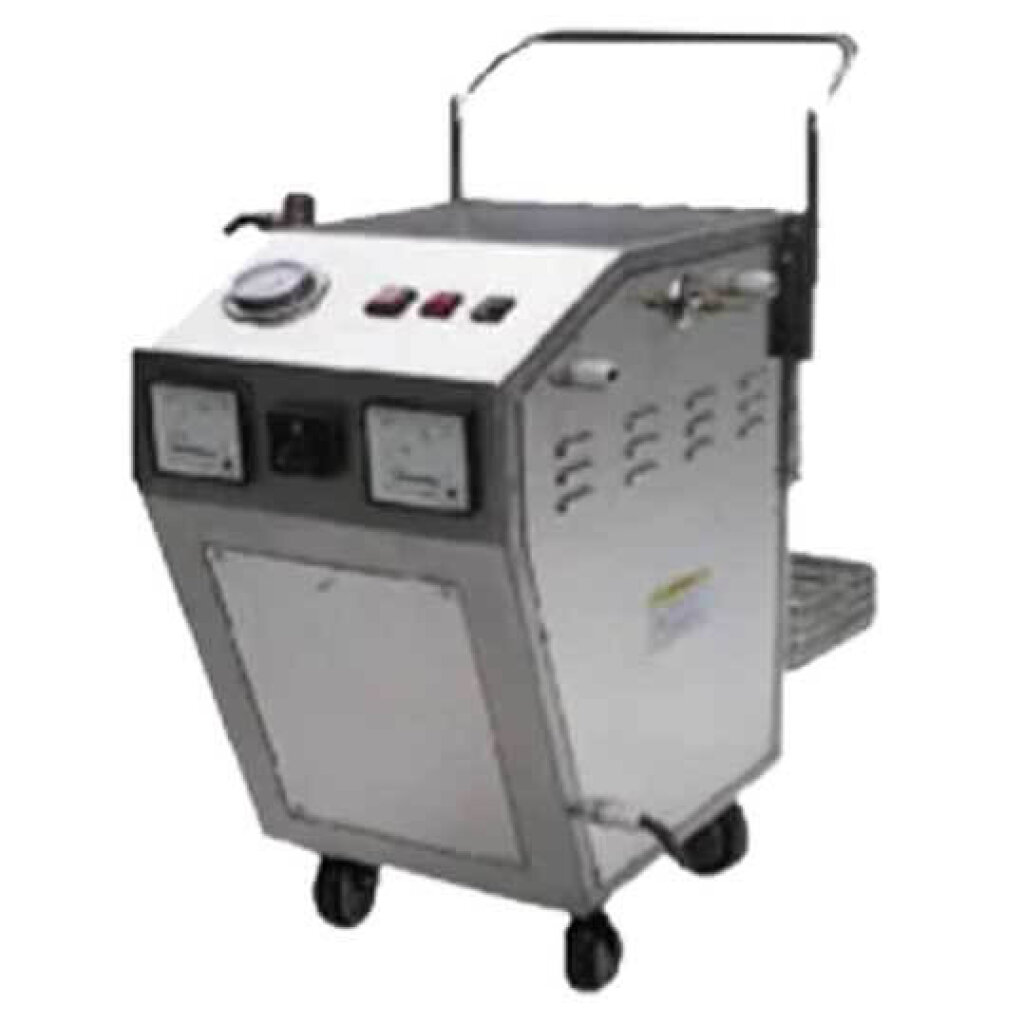
Steam is a chemical-light way to clean greasy engine parts. GreenZ states that its GreenZ Steam Car Wash Machine S5K refurbishes greasy engine parts and reaches narrow spaces a pressure washer cannot, and Optima lists engine and wheel cleaning among the uses of its Optima Steam Jet Car Washer XDm. Our steam cleaning guide compares the machines.
Dress the bay afterwards
Once clean and dry, plastics and rubber can be dressed to restore a clean, even finish.
- The GreenZ Tyre Dressing is a versatile water-based dressing that GreenZ says gives a glossy look to tyres, engine bays and plastics.
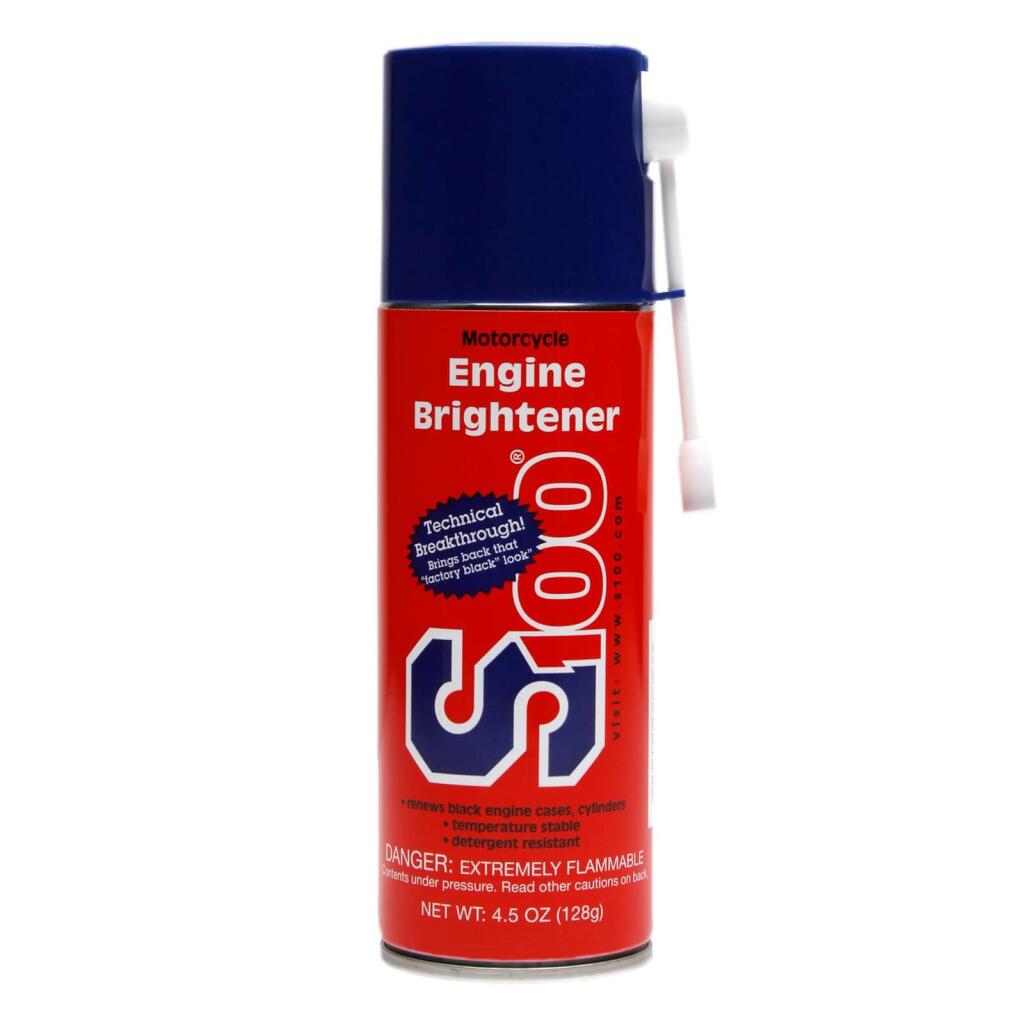
- For motorcycles, the S100 Engine Brightener restores black-painted engine cylinders and cases, cables, rubber hoses and plastic components that have lost their gloss, and provides detergent-resistant protection that holds up well to engine heat. Clean and dry the engine, then spray it on, using the misting nozzle to reach cooling fins without over-applying.
A simple method
- Let the engine cool and protect electrical parts.
- Spray a suitable dilution of cleaner or degreaser, starting weak.
- Agitate with a brush, keeping it away from paint.
- Rinse gently, avoiding direct jets at connectors.
- Dry the bay with microfiber and compressed air if you have it.
- Dress plastics and rubber if you want a refreshed finish.
If you are building a workshop kit, see our starter kit guide.
Frequently Asked Questions
How do I clean a car engine bay?
Let the engine cool, protect electrical parts, spray a suitable dilution of APC or degreaser, agitate with a brush, rinse gently, dry the bay and dress the plastics if you want. Start with the weakest dilution that works and test a small area first.
What dilution should I use for an engine bay?
Follow the product label. The GreenZ All Purpose Cleaner and Malco Red Thunder are both listed at 1:5 for the engine bay, the GreenZ Degreaser at 1:10, GYEON Q²M APC can go to 1:1 in extreme cases, and the Malco Potent Purple degreaser can be diluted up to 1:3 for the heaviest grease.
Can I steam clean an engine bay?
Yes. GreenZ states its Steam Car Wash Machine S5K refurbishes greasy engine parts and reaches narrow spaces a pressure washer cannot, and Optima lists engine and wheel cleaning among the uses of its XDm. Keep electrics in mind and follow the machine's manual.
How do I make a motorcycle engine look black again?
Clean and dry the engine, then use a product made for it. S100 Engine Brightener restores black-painted engine cylinders and cases, cables, rubber hoses and plastic parts that have lost their gloss, with detergent-resistant protection that holds up well to engine heat.
Is a degreaser different from an APC?
Yes. A degreaser is for heavy grease and oily dirt, such as in engine bays. The GreenZ Degreaser is listed at 1:10, and the Malco Potent Purple is a caustic degreaser usable up to 1:3, so it needs more care than a general APC.